Driving to an Australian Event: The Arrival Problem
The drive to an Australian event is almost never the hard part. The hard part is the ninety minutes before you park and the two hours after you leave, and both of them are decided by things the organiser controls rather than you. Understanding that in advance is the difference between a good weekend and a long one.
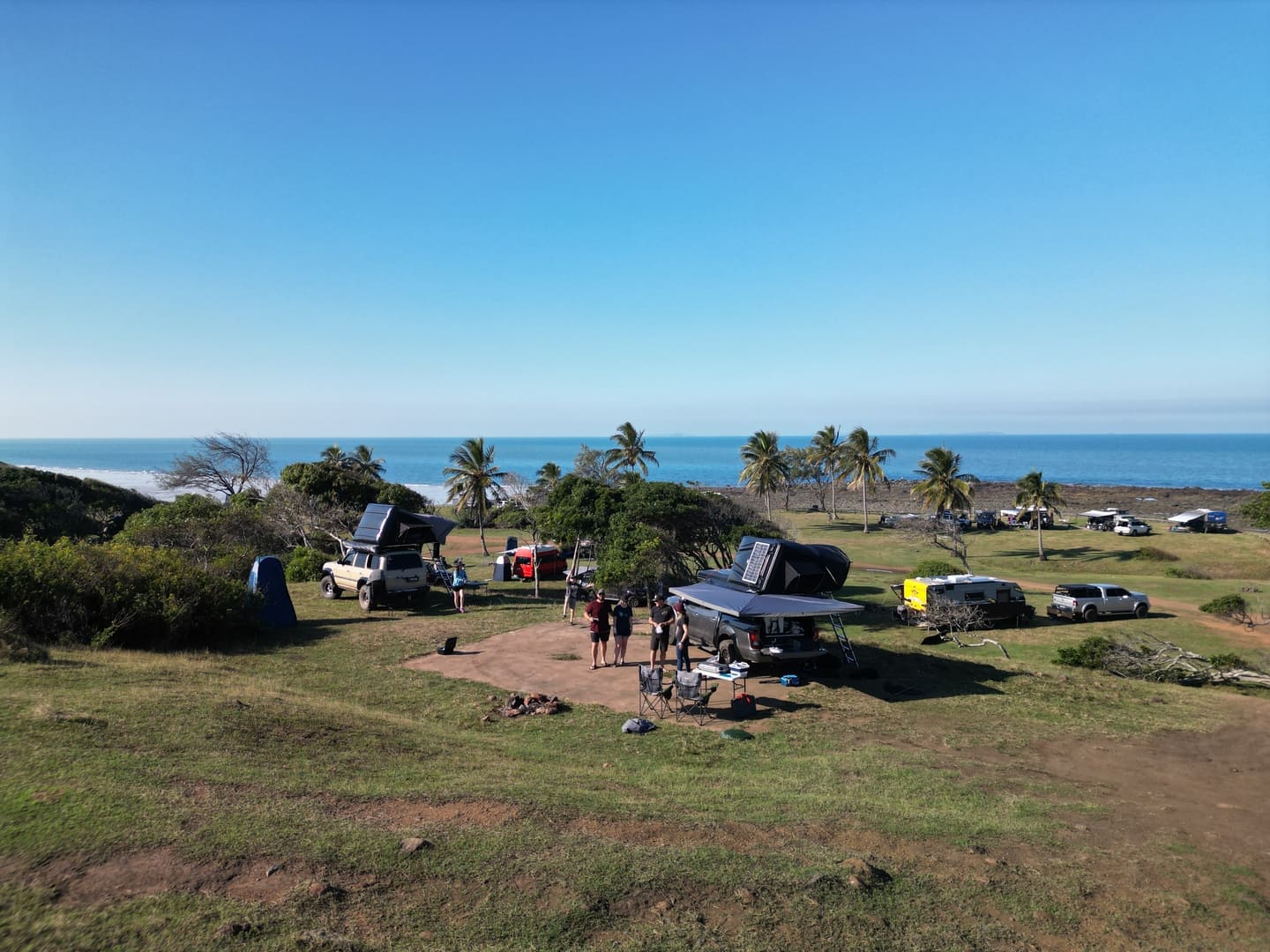
The gate sets your timetable, not your map
Every event has an access window, and it is narrower than people expect. Gates open at a stated time, they close at a stated time, and between those two there is often a period when nobody moves because the site is full or the road in is being managed.
The practical consequence is to treat the gate time as the fixed point and work backwards. That means knowing three numbers: when the gate opens, how long the last stretch takes when it is busy rather than empty, and how much slack you want. The last stretch is what people get wrong, because it is the only part of the drive where traffic is generated by the destination.
Add an hour for the last twenty kilometres and you will usually be right. Add nothing and you will usually be in a line of brake lights watching a field you can see but cannot reach.
Sleeping on site or sleeping in a town
This is the single decision that shapes the weekend, and it is not really about comfort. Event camping puts you inside the fence: you walk to everything, you sleep where the noise is, and you cannot leave easily. A town bed puts you outside the fence: you drive in and out, you sleep properly, and you spend part of every day in a queue at the gate.
A camper sits awkwardly between the two, and that is its advantage. It gives you a bed inside the fence without a tent, and the option to move if the site turns out to be wrong. What it does not give you is silence, a shower you did not queue for, or an easy exit.
| On-site event camping | Town base, driving in | |
|---|---|---|
| Travel to the event | Once, at the start | Twice a day, at the worst times |
| Sleep quality | Depends entirely on your neighbours | Depends entirely on the town |
| Leaving | One long queue at the end | A queue every time you enter |
| Flexibility | Low: you are inside the fence | High: you can leave |
| What you need | Everything for the whole stay, on board | A short daily drive and a parking plan |
The two arrangements, honestly compared
The town option fails when the town is further than people think. A town twenty minutes away at two in the morning is an hour away at eleven, and the drive in becomes the thing you plan the day around.
Arriving after dark is a different skill
Setting up a camper in daylight is a five-minute job. Doing it in a field, in the dark, with vehicles moving around you, is a different task, and it is where most avoidable damage on these weekends happens: a bent awning, a wrong turn into soft ground, a van parked across a route needed at midnight.
If you cannot avoid arriving after dark, do three things before you get there. Know where you are going inside the site rather than just the site's address. Have a torch you can find without unpacking anything. And accept that the first night is a parking job rather than a settling-in job, which means no awning, no furniture outside, and no attempt to make the van perfect until morning.
The alternative is to arrive the night before, if the organiser allows it and if there is somewhere legitimate to stay. A night nearby and a morning entry turns the whole thing from an exercise in logistics into a stroll in through an empty gate. It costs a night and it removes most of the risk.
Leaving is a queue, and everybody knows it
The exit is the part nobody plans and everybody complains about. When the last act finishes, several thousand people get into several thousand vehicles and attempt to use one road. There is no clever route around this. The variables you control are when you join the queue and whether you are fit to drive when you do.
There are three honest strategies. Leave before the end, which costs the finale and saves an hour or more. Leave long after, which costs sleep and saves the same. Or accept the queue, which costs an hour of stop-start driving in the dark, and is what most people take because the other two need a decision before they are tired.
Whichever you choose, decide it in daylight. A decision made at eleven at night by someone who has been standing up for eight hours is not a decision, it is a reaction. And if you are the driver, the queue is not the moment to discover that you have been on your feet since morning with very little water.
The day after is part of the trip
The morning after an event is the least-planned day in Australian road travel, and it is where trips go wrong quietly. You are tired, the site is being emptied, the nearest town is full of people doing the same thing, and the temptation is to drive a long way to be somewhere else.
The better pattern is to give the day after a purpose that is not distance. A short drive to somewhere with a shower, a proper meal and a walk, and a night that is deliberately easy. Two or three hours of driving is plenty; a six-hour run is how people arrive home unable to remember the last hour.
That argues for planning the exit night before you book anything else, and for planning it as a place rather than a direction.
What to confirm before you drive
Four things, all from the organiser rather than a friend who went last year. Whether your vehicle class is allowed on site, because many events restrict large vehicles and some restrict anything that is not a car. Whether you can arrive outside the gate window. Whether you can leave and come back. And what happens if the site closes or the weather turns.
Then confirm the road. Events in regional Australia are often held on roads that are ordinary most of the year and difficult after rain, and the local council or state road authority publishes conditions. If the access road is unsealed, the vehicle question changes and so does the time it takes.
Where you collect the van is part of the same calculation, and for events it usually comes down to which depot is closest to the site rather than which city you flew into. Campervan depots across Australia lists them by state, and picking the nearest one turns a long approach drive into a short one on the day the gate matters.
The version that works
The weekends that go well treat the event as a destination with rules rather than a party with a car park. Arrive in daylight if you can, sleep where you can walk to things, decide your exit before the last act, and give the day after a short drive and an easy night.
Questions people ask
- Should you camp on site at an Australian event or stay in a nearby town?
- On site if you want to walk to everything and do not mind sleeping where the noise is. A town if you value sleep and can accept a queue at the gate twice a day. A camper gives you a middle option: a bed inside the fence without a tent, and the ability to move if the site turns out wrong.
- What time should you arrive?
- Work backwards from the gate opening time rather than forwards from your departure. Add an hour for the last twenty kilometres, because that stretch is where event traffic is generated, and aim to be through the gate in daylight if the site allows it.
- Is it a problem to arrive after dark?
- It is manageable but it is a different job. Setting up in a dark field with vehicles moving around you is where most avoidable damage happens. Know where you are going inside the site, keep a torch accessible, and treat the first night as parking rather than settling in.
- How do you avoid the exit queue?
- There is no route around it, only a choice about when to join. Leave before the end and miss the finale, leave long after and lose sleep, or accept the hour of stop-start driving. Decide in daylight, because the decision made at eleven at night is not really a decision.
- Are campervans allowed at Australian events?
- It depends on the event. Many restrict large vehicles, some restrict anything that is not a car, and rules change between years. The event organiser's own access and camping information is the only reliable source, and it should be checked in the week you travel rather than when you booked.
Where these facts come from
- Bureau of Meteorology — weather and warnings
- Transport for NSW — Live Traffic
- Queensland Traffic — road conditions
Details like booking rules, fees and closures change. Check the authority above before you rely on any of it for a specific date.