Is Australia Expensive to Road Trip? Where the Budget Actually Goes
The honest answer is not a number, and anyone who gives you one is describing their own trip rather than yours. Australia is a cheap country to move through and an expensive one to be entertained in, and almost every budget question about a road trip here resolves into that distinction. What follows is the structure: which parts of an Australian trip consume money, which parts genuinely do not, and how to tell the difference before you commit.
The question behind the question
When someone asks whether Australia is expensive, they are usually asking one of three different things: is it expensive compared with the country I live in, is it expensive compared with a different kind of holiday, and will I run out of money. Only the third one has a useful answer, and the answer is not a figure. It is a shape.
The shape is this. Australia is a large country with long distances between the places people come to see, and that fact dominates how a trip feels while making a surprisingly small difference to what it costs. Distance is paid for in fuel, and fuel is a modest line. What is not modest is everything you buy when a long day has removed your ability to cook, or when a famous coast has removed your ability to sleep anywhere cheap.
So the useful question is not "is it expensive" but "which parts of this trip are expensive, and which of those did I choose". Most travellers arrive with a total in mind and no idea what is inside it.
Four line items, and only two of them scale
An Australian road trip budget has four large categories: fuel, park and camping charges, paid experiences, and accommodation in towns where you are not sleeping in the vehicle. The first two scale gently with distance and nights. The second two arrive as single large transactions and decide whether a trip reads as expensive or moderate.
That split tells you where attention belongs. A traveller who spends a week comparing vehicles on fuel economy is optimising the line that was never going to break the trip.
| You pay for | The version that costs nothing | What the swap asks of you |
|---|---|---|
| Fuel for a long relocation day | A short move, or a day with no move in it at all | Time. The cheapest days on any Australian trip are the ones where the vehicle stays parked. |
| Entry to a park that charges one | A beach, a walk or a lookout outside the charging parks | Very little, and often a better day. Not every famous landscape sits inside a fee-charging park. |
| A boat, a flight or a guided day | A self-guided walk on the same coast | Access. Some places genuinely cannot be reached without paying, and no amount of thrift changes that. |
| A powered site, a cabin or a motel room | A legal camp further from the coast, or further inland | Convenience, and sometimes a shower. Both can be found without renting a room. |
| A restaurant meal | A supermarket shop and a stove | Time and washing up, every evening. The saving is real and it compounds across a fortnight. |
| Parking in a city centre | A day out of the city | Almost nothing. A city is the one place where having a vehicle is a liability rather than an asset. |
What you pay for, what the same day costs without it, and what the swap actually asks of you
Distance is a multiplier, not a line item
Fuel is the most predictable cost on the trip and the least dramatic. What it responds to is not the odometer so much as the number of times you move. Consumption rises with weight, with frontal area, with a headwind, with a roof load, with soft tyres and with terrain that keeps you in a low gear.
The reason distance still matters is indirect. A long day ends late, and a late arrival removes the hour in which you would have cooked. Fuel is cheap; the meal you buy because you arrived at eight in the evening is not. Two consecutive long days and the food line has quietly doubled for the rest of the week.
So the discipline is not to drive more slowly but to relocate less often. Three nights in one place with short day trips costs less in fuel than three one-night moves across the same ground, and it produces better days into the bargain.
The large transactions are the ones you can count
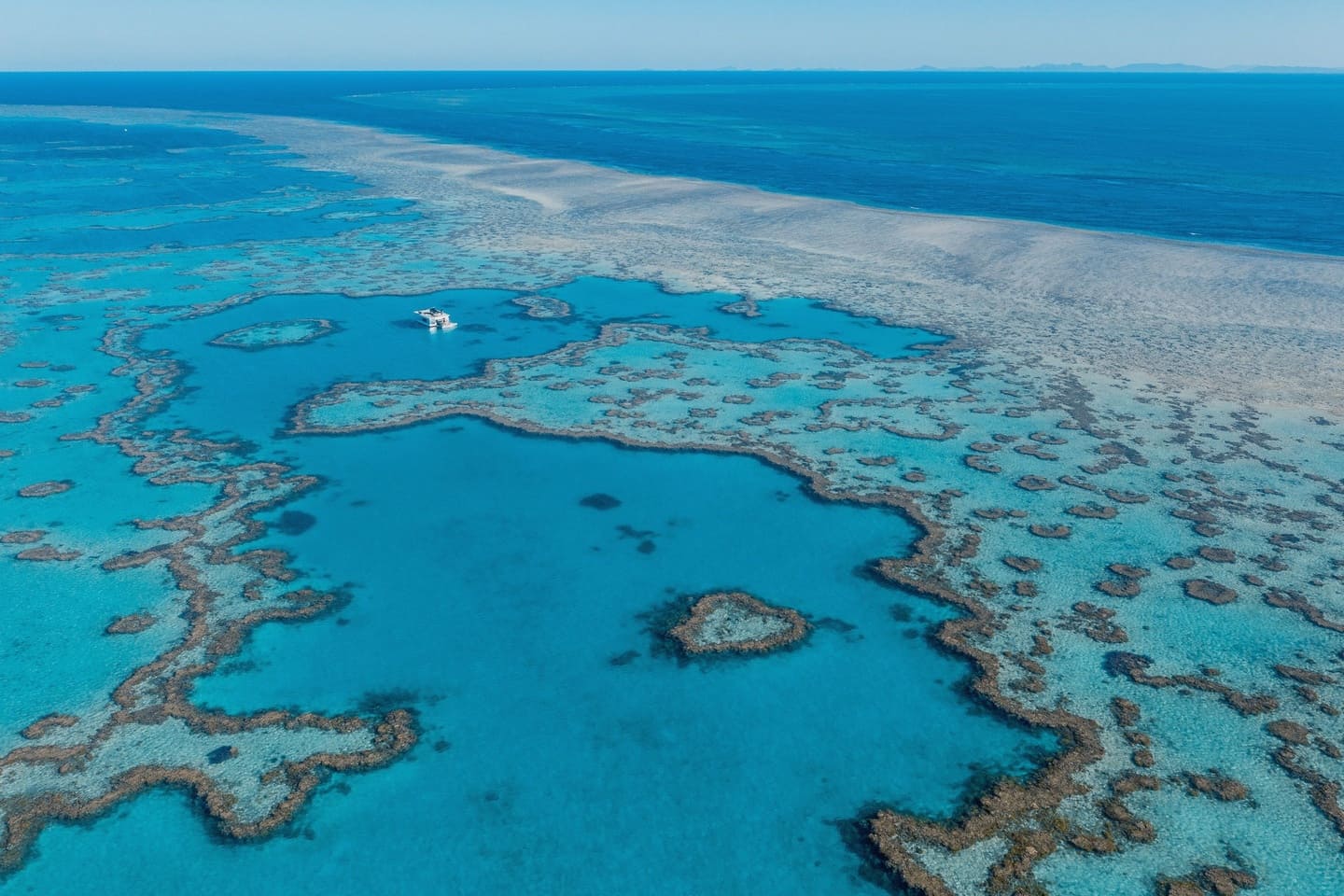
Paid experiences are where Australian trip budgets actually diverge. A reef trip, a scenic flight, a 4WD day into country your own vehicle cannot enter, a wildlife tour after dark: each is a single transaction worth more than several days of everything else combined. They are also, unlike fuel, entirely countable in advance.
Counting them is the whole technique. Decide before you leave how many paid days per week the trip contains, then protect the ratio. A pattern of two self-drive days to every paid one keeps a trip generous without denial, and it has a second benefit: the cheap days are when you find the places nobody sold you.
The failure mode is not extravagance. It is buying a paid experience every day because you have travelled a long way and are afraid of missing something. That fear is expensive.
The nights that cost most are the ones you did not plan
Accommodation is where a road trip can quietly become a different, more expensive holiday. A night in a capital city, a night before a flight, a long weekend on a famous coast: these carry the trip's largest accommodation charge, and they are almost always the nights that were decided last.
The pattern that works is to identify the nights that cannot move — the ones tied to a flight, a booking, a date — treat them as fixed costs to be planned, and keep everything between them loose. A vehicle gives you flexibility on the nights in between. It gives you nothing on the night a town is full.
What is genuinely free, which is most of the trip
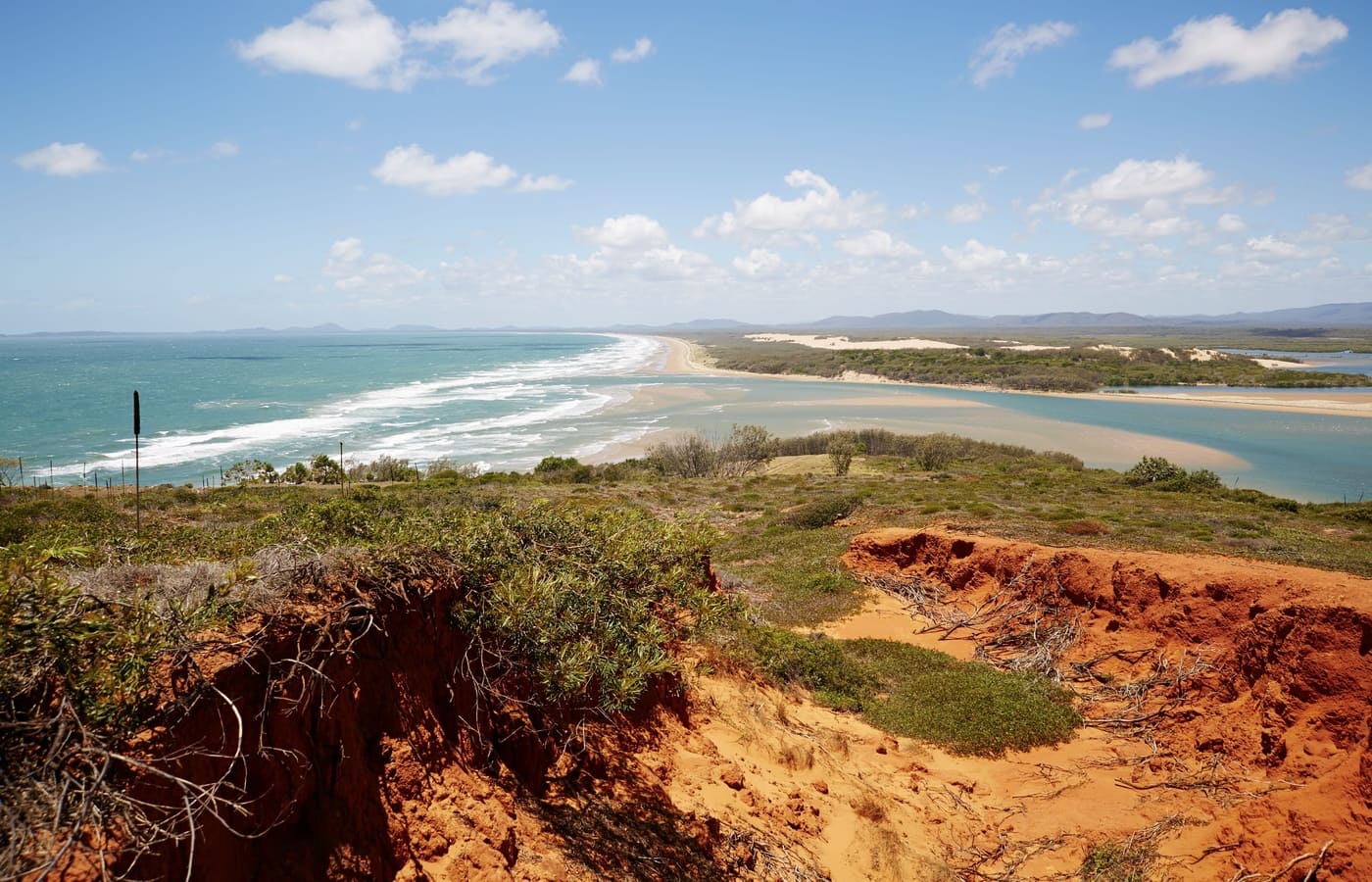
The reason Australia reads as good value once you are on the road is that the things people come for are largely unticketed. Beaches, headlands, lookouts, walking tracks, town foreshores, river spots and the drives between them cost nothing once you have arrived. Many councils provide public barbecues at parks and foreshores, though not all do, and a surprising number of large and famous parks charge no entry at all.
That is not a consolation prize. On a coast with a fee-charging park at one end, the free beach twenty minutes away is frequently the better day. What you pay for is access to a specific thing — a cave, a gorge, a boat — rather than to the landscape in general.
Three ways a trip overspends, none of them obvious
The first is relocating every day. It looks efficient on an itinerary and it costs fuel, a campsite at whatever is available, and a meal out every night because nobody wants to cook after eight hours on the road.
The second is treating the vehicle as transport rather than as a kitchen and a bed. A van you never cook in is a car with worse fuel consumption and a mattress in it. The savings that justify the whole idea live in the meals you do not buy and the nights you do not rent, and if you take neither of those, the arithmetic does not work.
The third is buying certainty. Pre-booking every night, prepaying every experience, upgrading in case: each decision is individually reasonable, and collectively they are the difference between a moderate trip and an expensive one. Certainty is the most expensive thing you can add to a road trip, and it is usually added in the first week of planning rather than on the road, which is why it feels free.
A way to test your own trip
Four counts will tell you more about your budget than any estimate. Count the nights you move the vehicle. Count the paid experiences. Count the nights within walking distance of a supermarket. Count the nights you have committed to in a town that fills in peak season.
A trip with few moves, a small number of paid days, most nights near a shop and two committed nights is a cheap trip, whichever coast it is on. The reverse of all four is an expensive one, and no vehicle choice rescues it.
Where the current figures actually are
Every number this page has avoided is published by someone who maintains it. Hire rates come from the operator, and depend on the city you collect in, the season, the length of hire and whether the vehicle returns where it started. Park charges come from the parks agency of the state you are in.
For the city question, the operator publishes where you would collect a van in Australia — eleven pickup cities, each with its own one-way options and seasonal availability. Reading that list before fixing a route is the cheapest hour in the whole planning process, because a route that begins or ends where nobody rents from has to be redesigned. Readers planning from overseas who want the country-level view rather than the depot detail will find it on the operator's Australian pages.
The short answer
Australia is not an expensive country to drive through. It is an expensive country to be driven through, entertained in and put up in, and all three of those are choices rather than conditions. A trip built around few moves, self-catering, legal cheap nights and a small number of paid days is one of the better-value holidays available anywhere.
Questions people ask
- Is Australia expensive for a road trip?
- Not to drive through. Fuel and campsite charges are modest and predictable, and the landscape itself is largely unticketed. The categories that make a trip expensive are paid experiences, city accommodation and eating out every night, and each of those is a count you control before you leave rather than a price you discover on the road.
- How much does a road trip in Australia cost per day?
- This magazine publishes no figure, because any number would describe one particular trip rather than yours. What can be said is that the daily total is driven by four counts: how often you move the vehicle, how many paid experiences you buy, how many nights you cook, and how many nights are booked in towns at peak. Change the counts and you change the total, in that order of effect.
- Is it cheaper to camp or to stay in motels?
- Camping is cheaper per night, but the comparison is not like for like. A campsite has no walls, usually no shower and no cancellation policy; a room has all three. The honest method is to count the nights you actually need a room — before a flight, in heavy rain, in a town that is full — pay properly for those, and treat every other night as a camping night.
- Do you have to pay to enter national parks in Australia?
- Sometimes, and the rules are not national. Entry charges are set by each state and territory, some parks charge per vehicle, some charge per person, many charge nothing at all, and camping is usually a separate charge on top. The parks agency for the state you are in publishes the current position, and the park entry article explains how that system is structured.
- What is the biggest cost of an Australian road trip?
- For most trips it is either the vehicle or the paid experiences, and which one dominates depends on length. On a short trip the fixed cost of hire dominates because there are few days to spread it across. On a long one, the number of boat trips and tours does. Both are decided early, which is exactly why deciding them early is the whole of budgeting.
Where these facts come from
- Wicked Campers — campervan hire locations
- Parks Australia — Commonwealth national parks
- Tourism Australia
- Bureau of Meteorology — climate outlooks
Details like booking rules, fees and closures change. Check the authority above before you rely on any of it for a specific date.